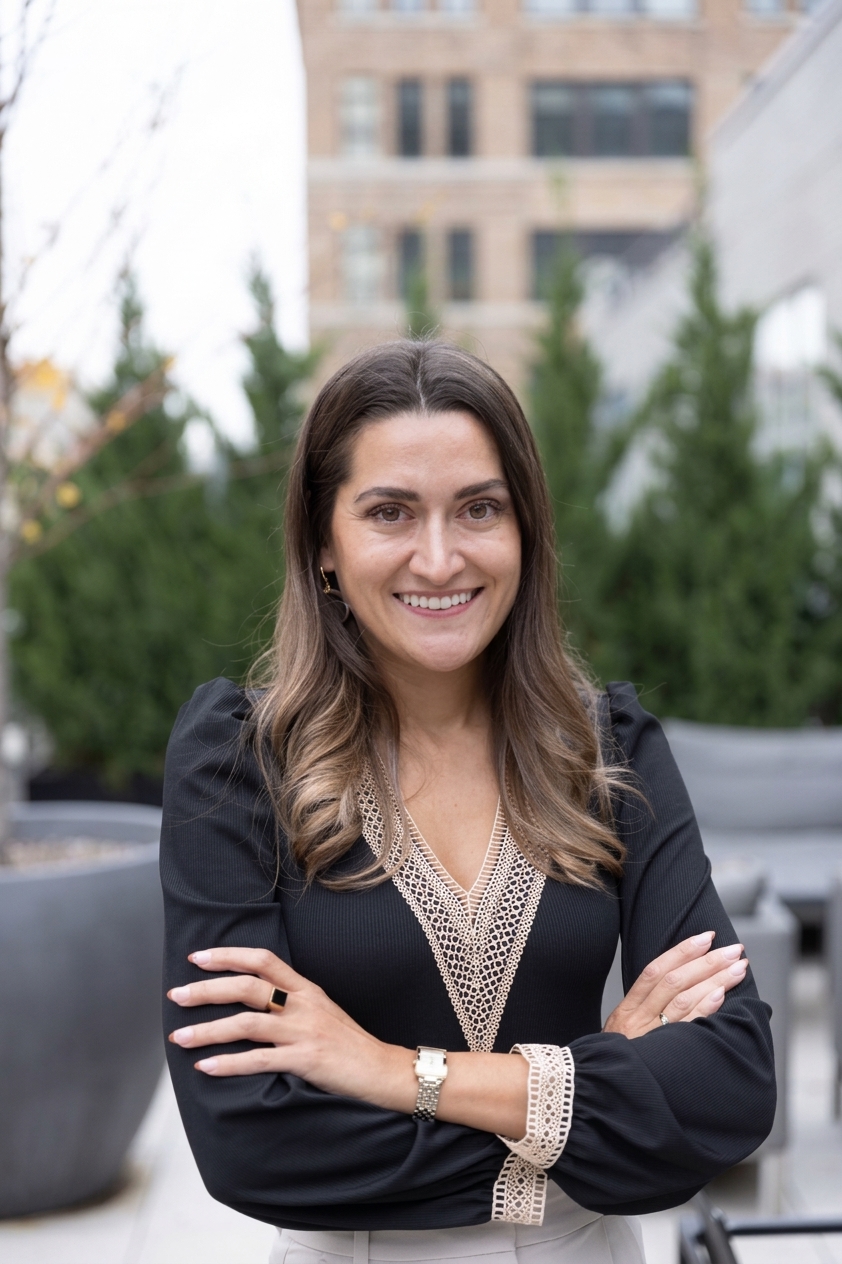
Being born with cystic fibrosis (CF) — a progressive, genetic lung disease — I have had countless health care encounters throughout my life, spending time in the hospital being treated for lung infections through adolescence and into adulthood. From these experiences, I learned the power that lies in self-advocating for my health in the clinical setting.
I studied biology in college, and worked in a laboratory after graduation. It was in this role that I first realized my own experiences as a patient could help bridge the gap between research and patient communities. At the time, I was studying antibiotic resistance — something I have dealt with in my medical journey using antibiotics frequently to treat lung infections, which over time means that my body has developed a resistance to them. There have been points in my life where treatments weren’t effective because of this. This connection between my own health experiences and the research in the laboratory led to my passion for building inroads between research and patient communities.
I began lending my voice as a patient perspective in research, serving on various committees with the CF Foundation, on advisory boards, and in consultant roles with pharmaceutical and healthcare companies developing patient-facing lay language materials to support health literacy, reviewing clinical trial protocol designs, and overall helping industry to consider the patient experience throughout drug development.
I have grown my industry connections by speaking on panels, at conferences, and other events branching beyond CF consultation, ensuring the patient perspective is represented within research for other rare diseases. Now, I work with industry professionals to identify and meet the needs of many different patient communities.
About the same time that I started my advocacy journey those years ago, I became very sick with a lung infection that was resistant to all antibiotics. I was fortunate enough to be connected with a company doing a documentary on phage therapy — an experimental treatment alternative to antibiotics. I quickly inquired if I could partake in this research. At the time this was experimental with no clinical trials available, and I was granted access through the FDA expanded access program.
With my personal health experiences in the care setting, my work with industry, and the value that I know exists in our voices as patients, my passion extends to empowering others to be active participants in their health care too, gaining knowledge about their disease and participating in clinical research.
I contribute to clinical trial design, research committees, and patient engagement initiatives. I have been recognized as a Health Union Social Health Award winner for Healthcare Collaborator along with numerous other awards. In addition to advocacy work, I am a writer, distilling clinical information for patient communities and sharing personal experiences living with chronic illness. My articles have been published on platforms such as MedPage Today, HuffPost, BMJ, and the Pulmonary Therapy Journal.
Through my consulting business, I help startups and small biotech companies develop strategies to involve patients in product development. I also served on several advisory boards, including those for the Cystic Fibrosis Foundation, the Clinical Trials Transformation Initiative (CTTI), and the Patient-Centered Outcomes Research Institute (PCORI). I continue to bridge the gap between research and patient advocacy, striving to create patient-centric advancements in medical progress.
To learn more about me visit www.ellabalasa.com.
In the words of EUPATI Fellow Ella Balasa – Cohort 6